
July 3, 2026 · 9 min read
Fat of The Land - Part 9 - Just Churned Cream
By Raiden DeLuca
Part of: Fat of The Land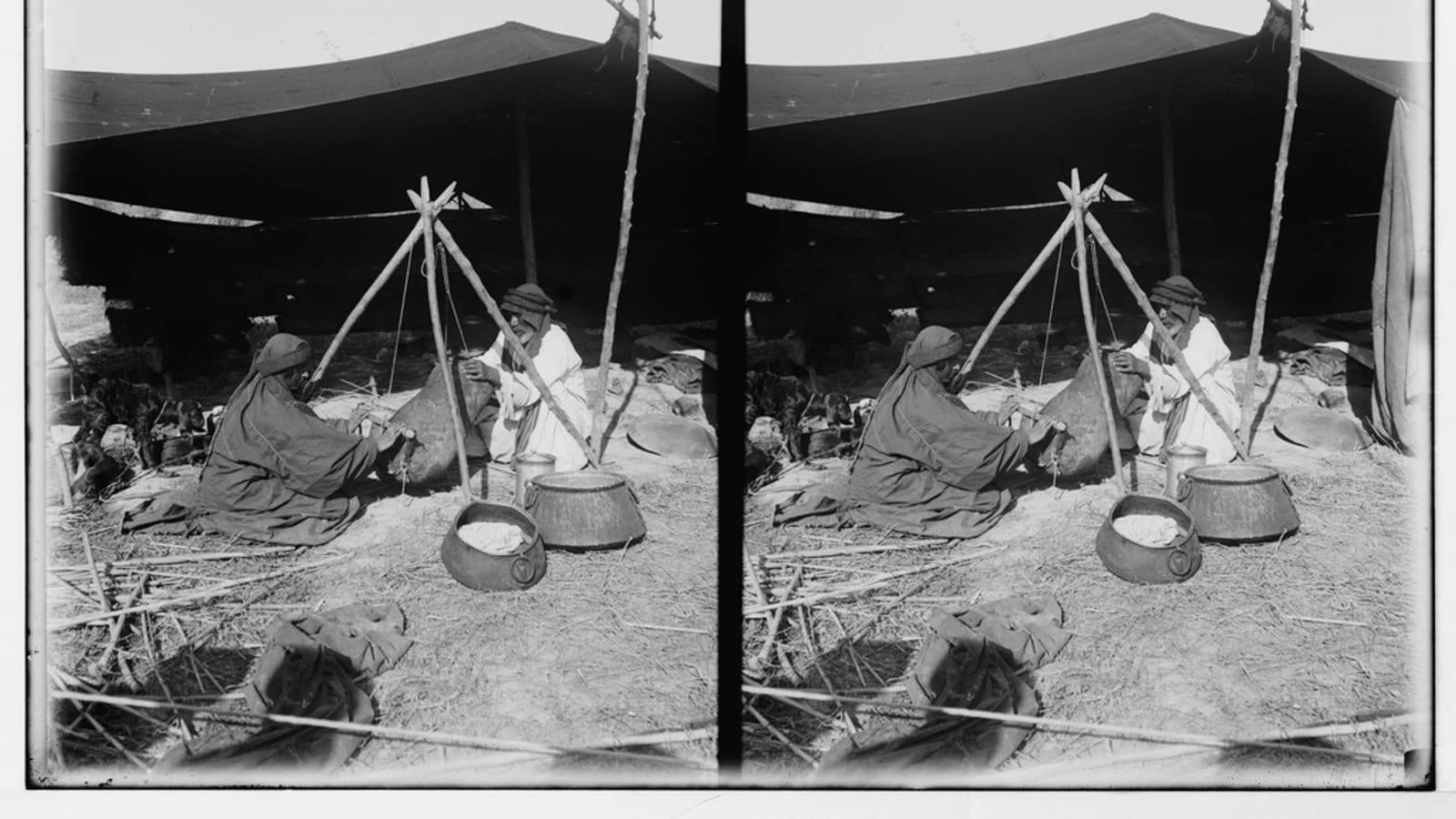
Butter spent a few decades as one of the most feared foods in the kitchen, and it never deserved it. We were told the saturated fat would clog our arteries, so a lot of us set the butter dish aside and reached for the tub of spread instead. That advice was wrong on the science and worse on the swap, and the case for butter is simple enough that I can make most of it just by comparing it to the thing we were told to replace it with.
Why we were warned off it
The fear of butter came out of the war on fat, the same low-fat push the earlier posts in this series covered. Saturated fat was the villain of that era, and because butter is mostly saturated fat, it sat near the top of the list of things to avoid. In its place we were sold margarine, marketed as the heart-healthy modern choice, and for years people switched in good faith. The bitter irony, which the trans fat post got into, is that the margarine of that era was built on partially hydrogenated oil, which means it was full of the one fat we later found is causally linked to heart disease and a higher risk of death. We did what we see time and time again, we replaced a natural food God gave us with a factory alternative, and then acted shocked when it turned out to be hurting us.
Just churned cream
Picture how each one is made. Butter is cream, churned until the fat clumps together, with maybe a little salt worked in, and that is the whole process, old enough that people did it by hand in a jar for thousands of years. Now picture a bottle of seed oil. The seeds are crushed and usually washed with a chemical solvent to pull the last of the oil out, and then the result is degummed, refined, bleached, and deodorized, because without that final step it would smell and taste too rancid to sell. One of these is food. The other is an industrial product engineered to pass as food.
It does not take a scientist to tell which one we were designed to eat. Cream comes off an animal eating grass, and people turned it into butter long before anyone had heard of a fatty acid. The oil needs a factory and a row of processing steps before it is edible at all. When the modern world told us the simple, ancient food was the dangerous one and the manufactured stand-in was the healthy one, it had the thing exactly backwards, which is the pattern sitting under most of what this blog is about.
Grass-fed is the real upgrade
Once butter is back on the table, the only real question left is which one to buy, and the answer that matters most is grass-fed over regular. The difference people lead with, a better omega-3 to omega-6 ratio, is technically true but barely moves the needle, because butter is roughly two-thirds saturated fat with only a few percent polyunsaturated, so the omega numbers are tiny either way. The differences worth caring about are the CLA, whose benefits we covered back in the meat fat posts and which grass-fed butter happens to be one of the better food sources of, and the fat-soluble vitamins. Grass-fed butter runs noticeably higher in vitamin A and vitamin K2, and you can see it, since the deep yellow color is beta-carotene the cow pulled out of green grass.
Vitamin K2 is the one I would point to first, because it is hard to get. It helps steer calcium into your bones and teeth and away from your arteries, and outside of a few foods like organ meats, egg yolks, fermented foods, and grass-fed dairy, the modern diet barely contains it. There is a well-known finding linking higher K2 intake to less heart disease, though that finding comes from observational data rather than a trial, so I hold it loosely. You will also see butter praised for butyrate, a fat that is good for the gut, but that argument is weak, because the butyrate that matters is made by your own gut bacteria out of fiber, in amounts that dwarf the trace in a pat of butter.
None of this turns butter into a health food, and it does not have to. The point runs the other way, that butter is not the danger it was made out to be. The research on full-fat dairy and heart disease lands roughly neutral, not harmful, so butter can sit comfortably in a real diet, and choosing grass-fed simply takes a fine food and makes it a little better.
Raw versus pasteurized
The other question worth your time is raw versus pasteurized. Raw butter, made from unpasteurized cream, does keep some things that heat changes, including active enzymes and a richer mix of bacteria, and those are real rather than invented. The question is whether that is worth the tradeoff, because raw dairy can also carry pathogens like Listeria, E. coli, and Salmonella, and people do get seriously sick from it. Butter is lower risk than raw milk, since its low moisture is a poor home for bacteria, and cultured raw butter is lower still, because the culturing kills off more of them. But lower risk is not no risk. The benefit evidence is thin and the risk evidence is solid, so I treat raw butter as a personal call rather than a clear upgrade, and I would keep it away from pregnant women, young children, and anyone with a weakened immune system altogether.
What I buy, and what is on the wrapper
I do not cook with a lot of butter. I use it on a steak, or to round out a leaner cut of meat, and now and then in the pan, but it is not a daily thing for me. When I do buy it, I get the Kirkland grass-fed butter from Costco, which is about 95% grass-fed and from New Zealand, against the roughly 85% of a brand like Kerrygold, and it runs cheaper and lower in sodium on top of that.
The wrapper on commercial butter is something to pay attention to, because it points at something bigger than the butter inside it. A few years back, testing found PFAS, the so-called forever chemicals, in the foil wrappers of several butter brands. Kerrygold caught a lawsuit over it, since it was selling itself as pure, and pulled some products from a couple of states, though the case was later dismissed and the packaging changed. The part that matters is that this was never really about one brand. The same testing found similar levels in the Kirkland wrapper and in plenty of others, and all of it was measured in the wrapper rather than the butter, so how much even reaches your food is unclear. It is an industry habit, not a single villain.
The big companies may not be plotting in a back room, but when profit comes first and your wellbeing comes a distant second, the result is the same as if they meant you harm. Cheap foil that survives a shelf is easier and more profitable than asking whether it belongs against your food, so that is what they reach for, and your health is the thing that quietly pays for it. Putting the margin above the person is its own kind of poisoning, whether or not anyone ever set out to hurt you. You do not solve that by trading one national brand for another. You solve it by getting closer to the source, buying butter in paper from a small creamery you can name, from people whose operation you could drive out and see for yourself. The packaging problem is a whole subject on its own, with a series coming for it, but it lands where this blog always lands, which is that the answer is to relocalize and know who made your food.
My mom is the healthiest person I know, and she eats butter like it is a food group, joking that it basically is one. She is deep into longevity, the clinics and the testing and the protocols, the whole pursuit of staying healthy as long as possible, and she has walked out of more than one appointment having flat-out shocked the doctors with her numbers. Her coronary calcium score is 0, she is about as lean as a person can healthily be, and her bloodwork is the kind they do not see often. So here is a woman who takes the long game as seriously as anyone alive, runs every longevity protocol going, and still, somehow, uses dryer sheets, the one inexplicable crack in the armor that I will be ribbing her about in a future post. And yet she butters everything in sight, because she never fell for the story that butter was the enemy. You can look at her, then at the average person who spent thirty years scared of butter, and draw your own conclusion about who got the better advice.
The simplest food wins
God gave us a fat that comes off an animal eating grass, that you can make at home by shaking a jar, that carries vitamins you can barely find anywhere else, and that people thrived on for as long as there have been cows and kitchens. Then we were talked into fearing it and handed a bleached, deodorized substitute from a factory, and our health did not improve for the trade. It is the same lesson this series keeps arriving at.
The way back is not complicated. Eat the real thing, in normal amounts, as food and not as medicine. Lean toward grass-fed when you can, get it from someone close to you when you can, and let the plainness of it be the point. The best version of almost everything we eat is the one closest to how it was made, and butter is about as clear a case of that as there is.
I have leaned on seed oils as the contrast through this whole post without giving them a fair hearing of their own. They have earned one, because the fight over seed oils is louder and more tangled than almost anything else in nutrition right now. That is where we go next.
Sources
- Healthline. Grass-fed butter: nutrition, benefits, and comparison to regular butter. https://www.healthline.com/nutrition/grass-fed-butter (opens in a new tab)
- Pustjens AM, et al. Characterization of Retail Conventional, Organic, and Grass Full-Fat Butters by Their Fat Contents, Free Fatty Acid Contents, and Triglyceride and Fatty Acid Profiling. Foods, 2017;6(4):26. https://doi.org/10.3390/foods6040026 (opens in a new tab)
- Dehghan M, et al. Association of dairy intake with cardiovascular disease and mortality in 21 countries (PURE). The Lancet, 2018. Full-fat dairy intake associated with neutral-to-lower cardiovascular risk.
- Mamavation. Butter Wrappers and Indications of PFAS Forever Chemicals (EPA-certified lab testing across 22 brands, including Kerrygold and Kirkland). https://mamavation.com/food/butter-wrappers-pfas-forever-chemicals-buying-guide.html (opens in a new tab)
- ClassAction.org. Kerrygold Pure Irish Butter Contains Forever Chemicals, Class Action Alleges (case later dismissed). https://www.classaction.org/news/kerrygold-pure-irish-butter-contains-forever-chemicals-class-action-alleges (opens in a new tab)
- Biology Insights. Is Raw Butter Safe to Eat? Risks and Who Should Avoid It. https://biologyinsights.com/is-raw-butter-safe-to-eat-risks-and-who-should-avoid-it/ (opens in a new tab)
- Chowhound. The Costco Butter That Doubles As A Kerrygold Dupe (Kirkland 95% grass-fed vs Kerrygold). https://www.chowhound.com/1583587/costco-grass-fed-butter-kerrygold-dupe/ (opens in a new tab)
Comments
Leave a comment
Loading comments…