
June 19, 2026 · 8 min read
Fat of The Land - Part 6 - Cows Eat First
By Raiden DeLuca
Part of: Fat of The Land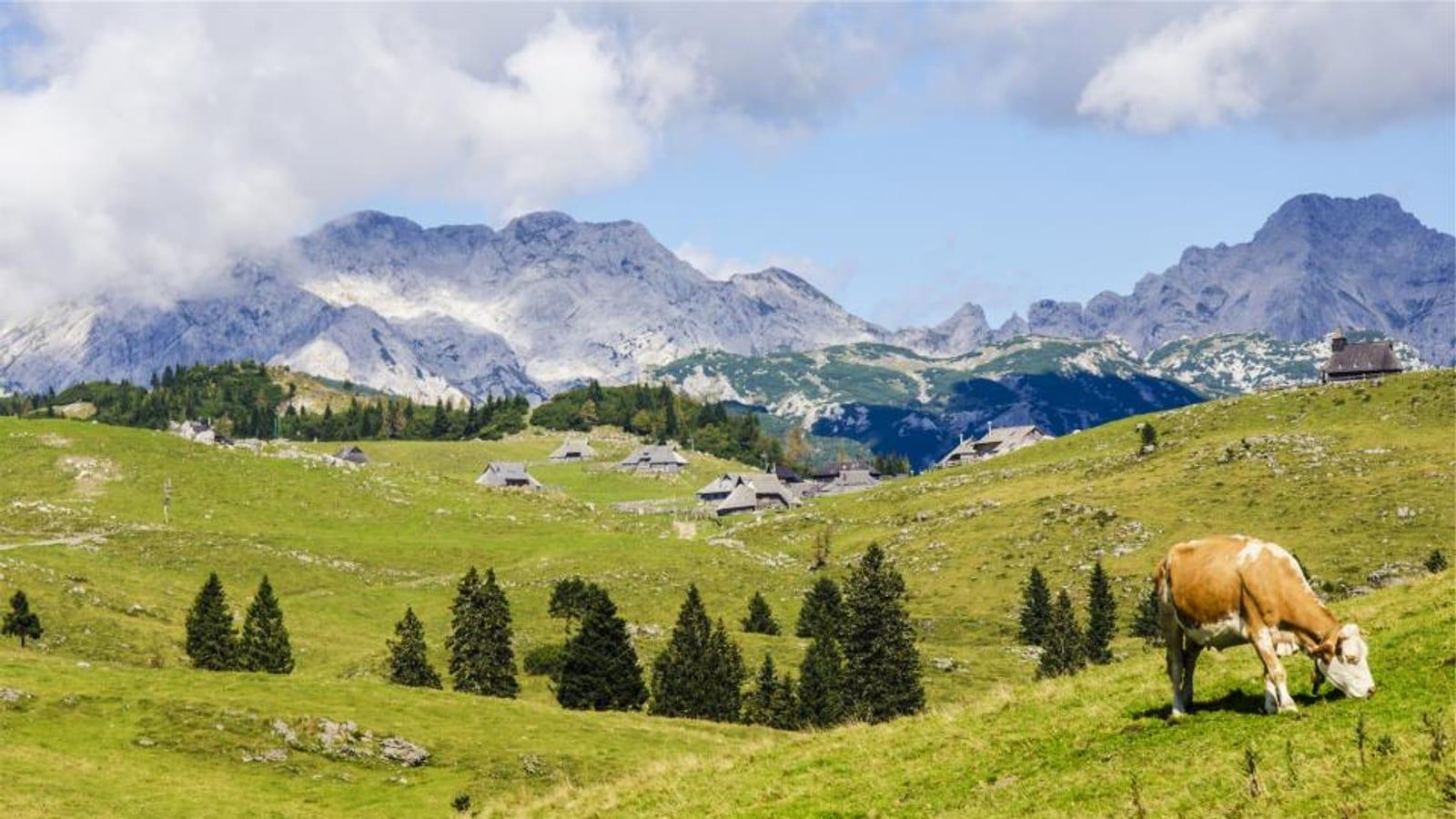
A lot of the fat in your food is settled long before it reaches your plate, back when the animal was still choosing what to eat or having that chosen for it. A cow finished on grass and a cow finished on grain do not carry the same fat at all, and once you see why, getting your beef from a good source instead of the first thing you grab at the grocery store becomes the obvious thing to do.
An animal builds its body partly out of what it eats, which means the fat in a steak is, in part, a record of the cow’s diet. Feed it one thing and you get one kind of fat, feed it another and you get a different one. We have spent five posts on the shapes and balances of fat, and this is the post where you get to choose which version you bring home, just by paying attention to how the animal was raised.
What the grass puts in the beef
Grass is rich in the plant form of omega-3, the same alpha-linolenic acid we read about in the last post, so a cow grazing living pasture is taking in omega-3 all day long. The cow is also far better than we are at the next step, the one where that plant omega-3 gets turned into the longer-chain forms the body runs on, and the conversion we are so bad at, the cow handles in its own tissue. A grass-finished steak then hands you a little of that finished work, omega-3 the animal built from the grass sitting on top of the raw material, which means you get to let the cow do the job your own body struggles with.
Grain changes the story, because corn and soy are heavy in omega-6 and dense in starch, so a grain-finished animal lays down more omega-6 along with the soft marbling fat that grain is so good at putting on, and the result is a very different fatty acid profile. Grass-finished beef comes in with an omega-6 to omega-3 ratio down around 2:1, while grain-finished can sit up around 7:1 or higher. Tie that back to the last post and you can see exactly what is going on, since the same lopsided ratio that modern eating pushed onto us is the one the grain-fed steak carries too, while the grass-finished one does not.
Beef is never going to be salmon, and even at its best, grass-finished beef is a modest source of omega-3 in raw amounts, so you should still eat your fish. What grass-finishing fixes is the balance rather than the total, which makes it one more place to stop pouring omega-6 on the fire while adding a small but real deposit of omega-3 on the other side of the ledger.
The other things grass leaves behind
Omega-3 is not the only thing that rides along. Cattle on fresh pasture take in more beta-carotene and more vitamin E than grain-fed cattle, and both end up in the meat and its fat, so the vitamin A supports your eyes and your skin, and the vitamin E does double duty as a strong antioxidant, protecting you on the inside and protecting the fragile omega-3 in the beef itself from going rancid before you ever eat it. The animal arrives with its own preservative built in.
Then there is CLA, conjugated linoleic acid, which is the one people get most excited about, a fatty acid that ruminant animals make in their gut, and grass-finished beef carries more of it than grain-finished because the grain-fed gut runs too acidic for the microbes to make as much. CLA has shown real promise, with anti-inflammatory effects and, in lab and animal studies, the ability to slow cancer cells and shift body composition. Those results came out of a lab, though, at doses far higher than any steak delivers and often in a different form than the one in beef. The body-composition studies use somewhere around three grams of CLA a day, while a serving of grass-fed beef carries maybe four to eight hundred milligrams, so to hit what the studies used you would have to put away something like four to eight steaks every single day, which would bring you a few problems the CLA was never going to solve. What is fair to say is that CLA looks like a real benefit, that most people eat very little of it, and that grass-finished beef is one of the better whole-food sources of it there is. You are not curing anything with a steak, you are simply eating more of a good thing the modern diet left out, in the form God packaged it.
Cattle the way God intended
The Psalms put it plainly. “He causes the grass to grow for the cattle, and vegetation for the labor of man, so that he may bring forth food from the earth.” Psalm 104:14. Grass grown for the cattle, so that the cattle become food for us, which is the whole design in a single sentence, sunlight into grass, grass into a grazing animal, and that animal into dense, nourishing food for people. The chain works the way it was built to as long as the cow is doing what a cow was made to do, which is wander a pasture and eat what grows there.
What we did was shortcut that chain, taking the animal off the grass it was designed to eat, putting it in a lot, and feeding it cheap grain to fatten it faster. It works, in the narrow sense that it produces a great deal of beef cheaply, but it trades away the very things that made the food good, the balance and the vitamins and the CLA, in exchange for speed and marbling and a lower price. It is the same pattern as the rest of this series, where the raw design was good and we bent it for cost and convenience, which means eating grass-finished beef is mostly a matter of stepping back into the chain the way it was meant to run.
What I do, and what to look for
I buy beef from a local rancher, a quarter or a half at a time, and keep it in a chest freezer. It works out to close to grocery-store prices per pound for a far better product, it stocks my house for months, it supports someone raising animals the right way, and I know the animal was treated well and lived the way a cow should. If you have the freezer space and can put the money down all at once, it is one of the best food decisions I have made.
The words on a label are a big part of why I buy local. “Grass-fed” on its own is weaker than it sounds, since the USDA dropped its official grass-fed standard back in 2016, so the bare term is not backed by much, and an animal can be called grass-fed while still being fattened on grain for its last few months, which is exactly when a lot of the benefit gets undone. The word to look for is grass-finished, meaning grass all the way to the end, with pasture-raised better still. But standing in the grocery store, you have no real way to know how the animal behind the shrink-wrap was raised, you are trusting a word printed by someone you will never meet. When I buy a quarter cow from a local rancher, I can drive forty-five minutes and stand on the pasture the animal lived on. That is the thing no label can give you, and it is most of why buying local beats reading packages.
A lot of people do not love the taste of grass-finished beef at first, because it is leaner and the flavor is more distinct, a little more mineral and beefy, with less of the soft fatty mildness that grain marbling gives you. I still like grain-fed beef better on taste alone, but the health and the stewardship make grass-finished and local the better choice by a wide enough margin that it is an easy call for me. Cook it a touch gentler than you would a fattier cut, since there is less fat to forgive a long, hot sear, and your palate settles into it over time.
We have stayed on the fat the whole way through here, since that is what this series is about, but this is not only a fat story. Beef is also one of the most complete proteins there is, and grass-finished beef tends to run leaner than grain-finished, so you get that high-quality protein with less total fat, and the fat that is there is the better-balanced kind we have been talking about. I am only touching the fat side of beef here, though. The cuts, the deeper sourcing, the full protein picture, and how much beef actually belongs on your plate are their own subject, and they get their own series later on.
So the move is a simple one. Find a rancher or a source you trust, look for grass-finished rather than just grass-fed, buy more than you think you need if you can store it, and then eat the beef with a clear conscience and a full plate. It is one of the rare cases where the better food, the better-treated animal, and the older and simpler way of doing things all turn out to be the very same choice.
Next I want to stay on the animal but turn to the other side of it, why a cow’s fat and a pig’s or a chicken’s fat are not really the same kind of thing, and why that changes how you should think about pork and poultry. That is where we go next.
Comments
Leave a comment
Loading comments…